Introduction
The continued advancement of broiler production relies on improvements in genetics, nutrition, disease, and management. Notably, intensive genetic selection has contributed to approximately 80% of the improvement in growth performance of broiler chicks. This advancement has enabled broilers to reach slaughter weight in just half the time and attain body weights that are nearly 400% (3.1 kg, 2010s) greater than those recorded over the past several decades (0.7 kg, 1950s) [1].
Although rapid and significant growth provides certain advantages, it has also resulted in unintended consequences, particularly inadequate leg bone growth in broiler chicks. This can also lead to musculoskeletal disorders and immature connective tissue in chicks [2]. For instance, the intensive selection for faster growth rates, higher breast muscle yield, and improved feed efficiency tends to increase biomechanical stress on the tibia and femur of chicks [3]. As a result, various bone disorders, including tibial dyschondroplasia (TD), chondrodystrophies, femoral degeneration, and other bone deformities, result in inadequate bone strength to support the rapid weight gain of chicks [4,5]. TD is the main concern associated with leg deformities in broiler production, although numerous bone disorders occur in chicks [4,6]. Increased weight on the tibia or greater mechanical force in joints results in significant chondrocyte death, because the high number of dead chondrocytes cannot be cleared quickly by the inadequate blood vessels in the growth plate region [4]. Frequently, deficient ossification can alter the cartilage surface, leading to proteoglycan loss and increased locomotor problems [3]. Subclinical phenomena are widespread and associated with movement difficulties, decreased feed efficiency, and lower growth, although the clinical incidence of bone disorders in broilers is less than 3% [7]. Bone disorders in broilers can markedly decrease productivity and profitability, with estimated economic losses ranging from 10% to 40% of gross income, there-by increasing production costs by up to 1.19% [8]. Therefore, a better understanding of bone health, particularly in the leg bones of chicks, is essential to improve animal welfare and food quality, as well as broiler production.
Bone is a dynamic organ that continuously develops and regenerates through the coordinated actions of osteoblasts and osteoclasts [9]. The approach to genetic improvement is an unquestionable option for improving chicks’ bone health, although various factors, including nutrition, management, and environment, are associated with bone health in chicks. However, precise nutrient requirements, balanced nutrition, and strict control of feed ingredient quality associated with bone health may also be crucial factors for higher productivity in the broiler industry [10]. To address these challenges, nutritional strategies that improve leg bone health in meat-type broilers have been extensively investigated.
Numerous studies on broiler nutrition indicate that both macro- and micro-nutrients, including amino acids, fatty acids, calcium, vitamin D, etc., significantly affect bone health in chicks [10,11]. Despite advancements in broiler nutrition, studies continue on the effects of nutrients on the prevention of bone disorders and their potential to improve bone integrity in modern broiler production. Therefore, this review highlights the bone structure and growth, bone disorders, and how nutritional strategies can enhance leg bone health in broilers.
Leg bone structure and its components
Bone development and metabolism occur continuously throughout the chicken’s life. The skeletal structure provides mechanical support for the entire body, sustaining body weight and serving as a metabolic reserve for calcium (Ca) and phosphorus (P). This process continues even after the chicken has fully grown, as it is vital for repairing fractures and remodeling the skeleton to adapt to changing lifestyles [12]. In bone structure, as shown in Fig. 1, the long bones of chickens consist of compact cortical bone (80% of mass), which forms the outer layer surrounding the trabecular bone and marrow space. The trabecular bones are arranged in a lattice structure, providing larger surface areas and exhibiting high turnover rates [11]. Spongy bone, also known as trabecular bone (20% of mass). It consists of a network of trabeculae, making it lightweight and flexible. Trabecular bones are more calcified than cortical bones, play a greater role in metabolic functions, and undergo continuous remodeling throughout the lifetime [13]. In bone structural components, the long bone consists of diaphysis (the shaft of the bone), epiphysis (the ends of the bone), medullary cavity (inside the shaft containing bone marrow), and the metaphysis (narrow neck of a bone between the epiphysis and diaphysis) as shown Fig. 1. In particular, the metaphysis acts as the primary site for longitudinal bone growth, in which contains the epiphyseal plate (growth plate) to facilitate rapid bone remodeling [14]. The periosteum, a fibrous connective tissue that surrounds the outer cortical surface of bone, contains blood vessels, nerve fibers, osteoblasts, and osteoclasts. Its component is securely connected to the outer surface of bone by strong collagen fibers, as shown in Fig. 1 [14].
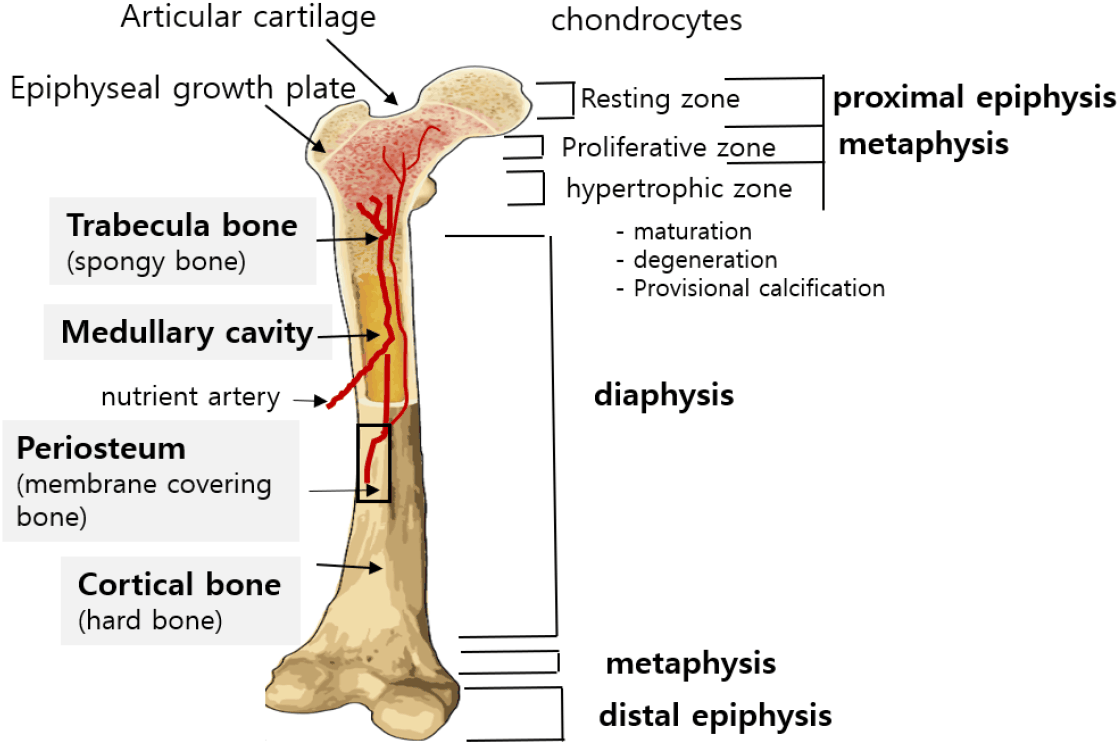
Chondrocytes are the primary cells found in articular cartilage that synthesize the extracellular matrix, which consists of collagen type II and proteoglycans [15]. This matrix provides structural integrity to the joints.
Collagen is the principal component of the organic matrix, which contributes to the tensile strength of bone and provides oriented support to the mineral matrix [16]. About 80%–90% of the original matrix consists of collagen, a triple-helical fibrous protein that provides structural support for the mineralization process [16]. Therefore, impairment in collagen synthesis is likely to weaken the mechanical strength of bone structure. In addition to collagen, the remaining 10%–15% of the organic matrix consists of proteoglycans, lipids, and non-collagenous proteins, such as osteocalcin, osteonectin, and osteopontin. These proteins have a variety of functions, including matrix stabilization, calcification, and metabolic regulatory activities [11].
The mineral matrix primarily consists of Ca and P in the form of hydroxyapatite, which is responsible for 60% to 70% of bone weight [17]. Therefore, bone mineral density (BMD) is an important indicator of bone health, as the inorganic matrix is the primary component of the bone’s extracellular matrix [11]. Low bone density is a risk factor for osteoporosis, increasing bone fragility and the risk of fractures.
Bone growth in broiler
The leg bone growth of chicks is fully developed during their rearing period. The growth and maturity of bones are closely linked to genetic, physiological, nutritional, and environmental factors in broilers [11]. Therefore, bone development in chicks is associated with complex molecules and biochemical mechanisms that provide optimal physical properties to support their bodies [18]. Dynamic cellular processes in bones are continuously involved in synthesis, mineralization, and resorption during bone growth [19]. These mechanisms can occur in trabecular and cortical bones, as well as bone collagen fibers [15]. Bone growth in modern broilers occurs at an extremely rapid rate, primarily through endochondral ossification, in which cartilage is converted into bone [12]. Longitudinal growth of long bones occurs at the epiphyseal growth plate, a cartilaginous structure where cartilage forms and is later replaced by bone tissue [20]. The growth plate of metaphysis continuously supplies chondrocytes for endochondral ossification, the process that gradually replaces cartilage with bone (Fig. 1). The process of endochondral ossification involves several key steps: cartilage cells (chondro-cytes) proliferation, chondrocytes hypertrophy, osteoblast invasion, osteoclast resorption, and mineralization of the cartilage with hydroxyapatite, which is highly dependent on Ca, P, and vitamin D3 (VD3) [10,13]. In particular, osteocytes, osteoblasts, and osteoclasts are the three cell types involved in the development, growth, and remodeling of bones, while chondrocytes play a crucial role in maintaining bone integrity [17].
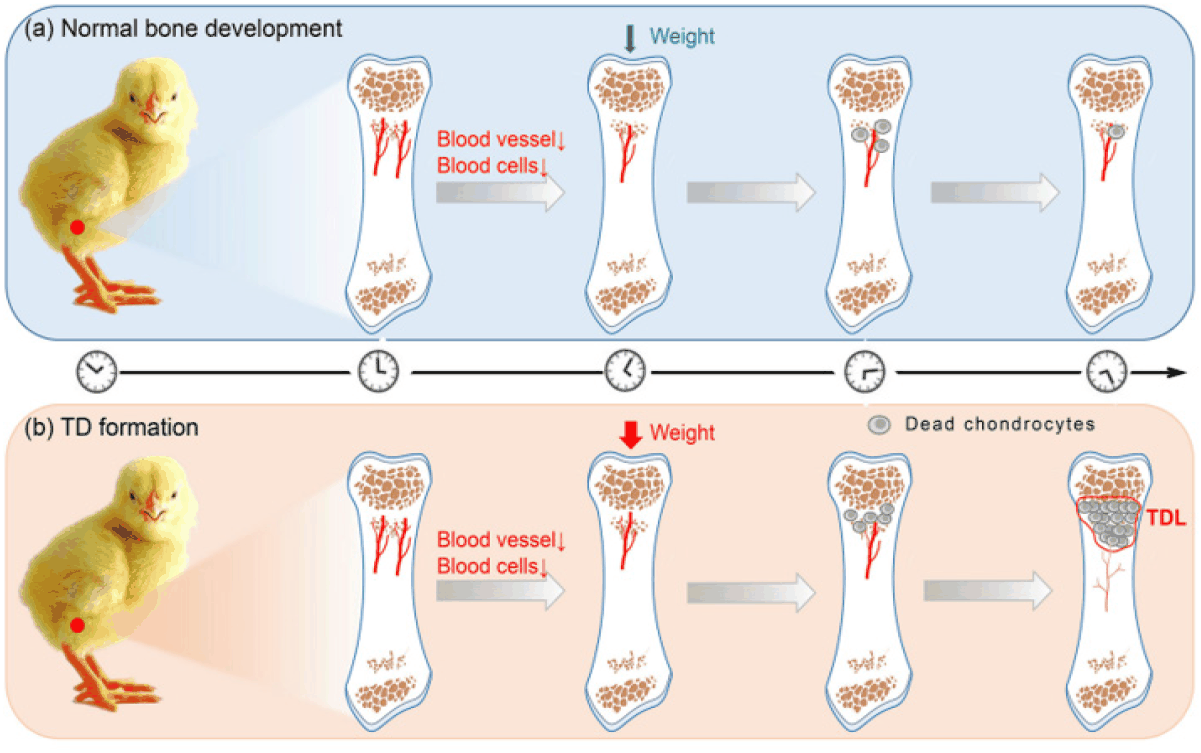
Failure in this process can lead to various leg bone disorders in broilers [15]. Consequently, the cellular mechanisms of the growth plate are significant in the search for bone disorders [20]. Factors that disrupt chondrocyte function, including nutrient deficiencies, can lead to lesions in the growth plate and bone structural disorders in chicks [11]. Adequate bone mineralization is essential for chicks’ skeletal systems, as it supports muscle mass and is vital for locomotion. Insufficient essential minerals for bone mineralization led to the accumulation of non-mineralized cartilage, a characteristic of TD in broilers as depicted in Fig. 2 [21].
Bone disorders in broiler
The rapid growth rate of modern broilers gives rise to metabolic and biomechanical mismatch, where the leg skeleton cannot support the increasing body weight, leading to wide-spread bone issues (Fig. 2). The risk of leg disorders, including TD, chondrodystrophies, rickets, femoral degeneration, bone deformities, and angular deformities of the long bones, is frequently reported in broilers [3,12,22]. Data on the incidence of leg deformities in broilers across EU countries are summarized in Table 1. In Denmark, a study with 28 broiler flocks, nearly 8% of the nationwide flocks, average incidence of TD, valgus-varus deformity (VVD), crooked toe, and ankle-plantar asymmetric development were recorded to be 57.1%, 37.0%, 32.6% and 42.0%, respectively [23,24]. In England, the overall incidence of leg disorders in broiler chickens reached approximately 27.6% of the flock, with 3.3% of chicks unable to move, as presented in Table 1 [2]. Typically, broilers exhibit some degree of locomotor impairment at slaughter age, with a higher incidence above 30% in fast-growing chickens.
These bone disorders are associated with disruption of the normal chondrocyte differentiation process. This disruption leads to an accumulation of cells in the pre-hypertrophic stage, which ultimately impairs the maturation and calcification of cartilage in the bones of broiler [4]. However, the abnormalities in leg are often complex, with occasional overlap between the causes, pathology, and clinical signs of these conditions. Thus, post-mortem investigations of the skeletal, muscular, and nervous systems, along with nutritional analyses of feed, are crucial for accurately diagnosing bone disorders in broilers.
One of the most common leg bone deformities caused by nutritional factors is TD, as presented earlier. This leg disorder arises from inadequate vascularization, ossification of the growth plate, and abnormal leg position, leading to an abnormal accumulation of cartilage beneath the growth plate of the tibia bone, as pictured in Fig. 2 [4]. This accumulation induces unnatural biomechanical forces, resulting in altered gait, additional bone abnormalities, and even fractures [5,22]. TD significantly affects bone structure, resulting in deformities and distortions of long bones, particularly during the final growth phase of broiler [21].
Rickets is a disease that affects young, growing chicks and is characterized by weakly mineralized bones with thickened and irregular growth plates [25]. Typically, an unbalanced Ca to P ratio reduces mineral absorption to insufficient levels, leading to deficiencies of one or both minerals [13]. A study reported that hypophosphatemic rickets developed in broilers fed a high Ca: P crumbled feed after about three days [25].
TD and rickets can cause distortions in bone growth that might not be immediately noticeable during the period of nutrient deficiency. However, these deformities can become evident later as the chicks continue to grow, potentially resulting in noticeable leg bone deformities, even if they are receiving a proper diet by that time [15].
Chondrodystrophy is a bone disorder of the growth plates in long bones, which results in retarded growth in broiler [26]. This disorder leads to shortened long bones and enlarged hock joints, even if mineralization and appositional growth remain normal in chicks [15].
Nutritional strategies for improving leg bone health in broiler
While genetic improvement is unquestionably an effective way for preventing bone deformities, nutritional strategies can also be crucial for improving bone health in broilers. At present, meeting appropriate nutrient requirements, balancing nutrients, and increasing bio-availability for bone growth are practical strategies for the broiler industry, as presented in Fig. 3 [10]. So far, nutrients, including protein (amino acids), n-3 fatty acids, Ca, P, and VD3, have been widely recognized for improving bone health [5]. Furthermore, maintaining a balance between dietary protein and energy, as well as Ca between P, is essential for preserving bone health in fast-growing broilers. Recently, feed additives, including probiotics and antioxidants, have been reported to have the potential to enhance bone health [27]. Furthermore, gut ecology associated with nutrient absorption and the microbiome’s immune system may contribute to bone health in chicks.
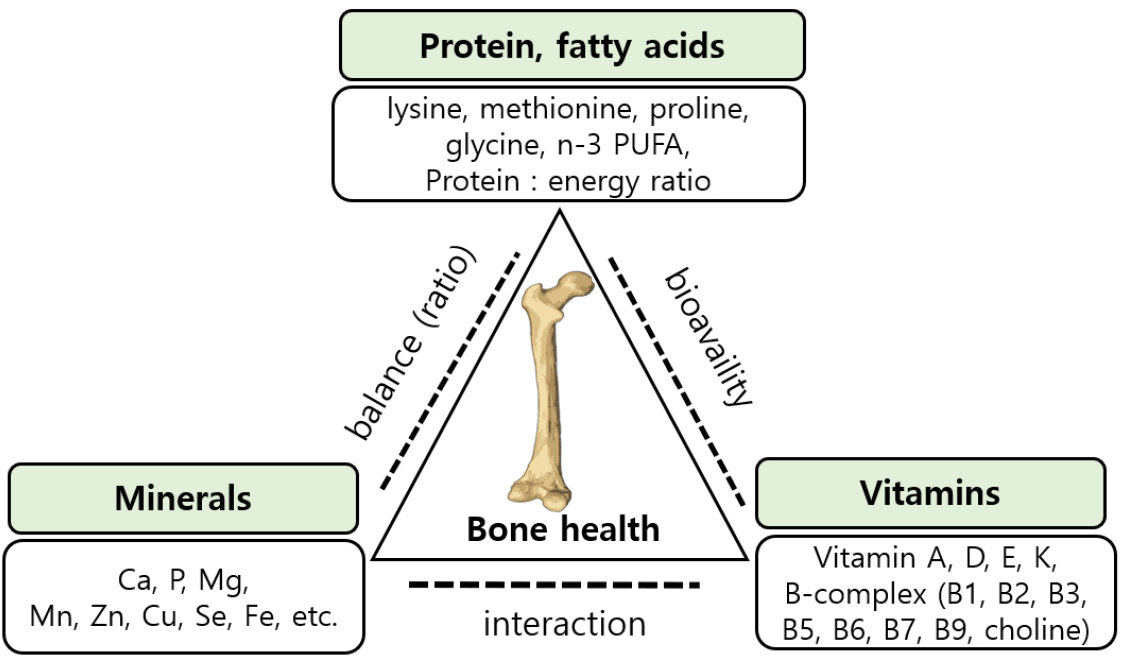
The levels of dietary protein and the composition of amino acids are closely linked to energy metabolism and bone growth in broilers. The balance of energy and protein in feed is crucial for bone growth, as early excessive growth without adequate bone development can lead to bone weakness [10]. The optimal protein formula for broiler diets minimizes energy expenditure associated with amino acid metabolism and enhances the efficiency of protein utilization.
Moreover, a high-energy, low-protein dietary regimen can markedly increase the risk of TD and deficient ossification, because an imbalanced E to P ratio results in rapid gain exceeding the rate of structural bone development. A study observed that diets containing 110%–120% of the recommended amino acid levels (3.48–3.80 g dLys/Mcal) resulted in the optimum performance in modern broiler lines during the 22–42 d finisher period [28]. The amino acid requirements for broilers have increased to support enhanced muscle development. Notably, lysine, methionine, proline, and glycine affect collagen synthesis and bone matrix stability during the rapid growth phase in chicks [29–31]. Thus, dietary deficiencies or imbalances of these amino acids may damage bone matrix quality and predispose chicks to fractures and angular deformities. By contrast, excess protein intake, especially animal proteins, impairs purine metabolism, leading to excessive uric acid production. Deposited uric acid in joints causes swelling and deformity of the toes and leg joints, as well as lameness [10]. Therefore, highlighting the need for precise dietary levels of energy and protein, as well as the amino acid composition, during the growing period is critical for maintaining bone health in broilers.
Dietary n-3 (ω-3) polyunsaturated fatty acids (PUFAs) are important due to their potential to enhance bone quality in chickens [32]. The n-3 PUFAs are precursors of anti-inflammatory mediators, such as prostaglandins, and positively influence bone health in chickens, potentially exerting a protective effect by suppressing osteoclastogenesis [6]. Moreover, n-3 PUFAs, particularly eicosapentaenoic acid (EPA) and docosahexaenoic acid (DHA), have been found to positively affect bone health by improving Ca absorption in the gut; this process is essential for maintaining optimal bone mineral density [6,33]. There are several reports that n-3 PUFA can improve tibial strength in quail and bone characteristics of broiler [32,34], suggesting that a diet enriched in n-3 PUFAs increase bone strength and mineral density.
The recommended optimal ratio of PUFAs for broiler performance and immunity is 1:2.5–4 for n-3 to n-6 [35]. However, high levels of dietary saturated fatty acids and an unbalance of the n-3 to n-6 ratio have an adverse effect on bone health in chickens [32].
Ca and P are the most important minerals for bone development and health in broiler (Table 2). Appropriate dietary supplementation is essential for chicks, as deficiencies of Ca and P gradually impair and limit bone growth and integrity. Particularly, maintaining homeostasis of Ca and P is crucial for the integrity of leg bones in fast-growing broilers. Ca and P are essential elements for hydroxyapatite and bone mineralization in bone development [10]. The Ca recommendations for broilers by NRC [36]. were 1.00%, 0.90%, and 0.80% for the starter (1 to 21 d), grower (22 to 42 d), and finisher (43 to 56 d) phases, respectively. The National Research Council (NRC) requirement for non-phytate P in broilers was 0.45%, 0.35%, and 0.30% for the starter (1 to 21 d), grower (22 to 42 d), and finisher (43 to 56 d) phases, respectively [36].
| Class | Type | Level (kg of diet) | References | Effects on bone health | References |
|---|---|---|---|---|---|
| Macro minerals | Ca | 10.0–8.5 g | [36] | Function: bone development, strength, mineralization | [10] |
| 9.5–8.5 g | [57] | Deficiency: leg weakness, lameness, and fracture, TD, rickets | [11] | ||
| [22] | |||||
| P (non-phytin) | 5.5–4.5 g | [36] | Function: hydroxyapatite components | [37] | |
| 4.5–3.5 g | [57] | Deficiency: bone weak, brittle bones, reduced ash content, TD, rickets | [10] | ||
| Function: bone strength, osteoblast proliferation | [11] | ||||
| Mg | 0.5 g | [36] | Deficiency: leg weakness, fracture | [39] | |
| 0.6 g | [57] | Excess: bone disorders, weakness, poor bone mineral density, fracture | |||
| Micro minerals | Mn | 60 mg | [36] | Function: proteoglycans formation, bone density, tibiotarsal bone quality | [43] |
| 60 mg | [57] | Deficiency: perosis, tibial deformity | |||
| Zn | 40 mg | [36] | Function: cartilage and collagen synthesis, mineral density | [45] | |
| 50 mg | [57] | Deficiency: bone and leg deformities | |||
| Cu | 8.0 mg | [36] | Function: collagen synthesis, bone integrity | [38] | |
| 8.0 mg | [57] | Deficiency: disorder of the femur and tibia, cartilage abnormalities | |||
| Fe | 80 mg | [36] | Function: collagen synthesis, vitamin D metabolism, osteoblast regulation | [42] | |
| 80 mg | [57] | Deficiency: weaker bone and collagen | |||
| Se | 0.15 mg | [36] | Function: antioxidant, immunity | [46] | |
| 0.12 mg | [57] | Deficiency: muscle degeneration, weakness, stiff gait, oxidative stress |
A broiler chicks aged 0− to 56-d.
TD, tibial dyschondroplasia.
The ratio of Ca (2): P (1) is more important; an imbalance can cause decreased bioavailability of these elements, thereby resulting in rickets and susceptibility to TD in young growing chicks [11,22]. Typically, Ca deficiency is not a problem in broiler production, while issues with lower intestinal Ca bioavailability are practical problems. The feed ingredients contained high levels of phytate and cellulose fibers, which can interfere with Ca and P absorption [11]. An impairment in P bioavailability can affect the integrity and strength of the bone structure. Due to the complex interactions among Ca, P, and VD3, it is essential to maintain proper Ca to P balance in broiler diets [10]. In broiler production, P intake is often limited by variations in P content and availability in the diet.
Furthermore, there is significant pressure to reduce dietary P levels due to environmental pollution. Phytase is a commonly used feed additive in poultry diets that increases P availability, thereby improving bone development and integrity [37,38]. Thus, precise formulation of Ca and P in the diet is essential for supporting bone growth in high-performance broilers.
Magnesium (Mg) is also an essential element in bone health (Table 2), since it is recognized as a crucial component in bone mineralization, often improving tibia breaking strength and bone ash content [39]. Mg acts as a cofactor of glutathione peroxidase, which is a key antioxidant system of chickens. However, a study has reported that excessive Mg levels may be linked to the incidence of rickets and other bone issues, such as shortened or bowed legs [40].
The deficiencies or excesses of several micro-elements can also influence bone development and leg disorders, as described in Table 2 [7,41]. It has been reported that dietary Mn, Zn, Cu, and Se in broiler diet prevent leg abnormalities, particularly TD in growing chicks [38,41]. Mn, Zn, Cu, and Fe serve as essential cofactors for metabolic enzymes that facilitate chondro-cyte differentiation, osteoblast activity, and collagen cross-linking [42,43]. Young chicks might be more sensitive to the availability of Zn and Mn in their diet than older ones [44]. Zn plays an essential role in bone integrity and immunity, demonstrating that dietary Zn supplementation can improve bone mineralization in broilers [45]. Mn is also a fundamental trace mineral for bone development and cartilage integrity in rapid-growth chicks [43]. Copper (Cu) is an essential trace element in broiler nutrition, acting as a cofactor of metalloenzymes associated with bone structural integrity, reporting that dietary Cu significantly increased the articular cartilage and growth plate cartilage [38]. Under stressful circumstances, selenium (Se) could enhance Ca and P deposition in bone and protect keel bone damage in chicks [46].
In terms of bioavailability, organic chelated and nano-particle minerals in broiler diet are more easily absorbed when combined with organic chelating agents (such as amino acids) and reduced to nanoscale particles (1–100 nm), creating a highly bioavailable, stable, and efficient mineral supplement [47,48]. This approach overcomes the limitations of traditional inorganic minerals, which are often poorly absorbed, negatively interact with other ingredients, and are excreted in feces.
Vitamins are essential nutrients for broilers, as they contribute significantly to physiological and metabolic functions of bone development (Table 3). First of all, VD3 (cholecalciferol) is critical for bone growth and health, and its dietary inclusion significantly reduces leg abnormalities such as TD, rickets, and lameness in broilers [49]. It facilitates the absorption of Ca and P in the gut, which are critical for bone mineralization [22]. Typically, broilers raised in indoor facilities with limited exposure to sunlight need to be supplemented with sufficient VD3, since it is synthesized in the skin of chicks when exposed to ultraviolet sunlight under natural conditions.
| Class | Type | Requirement [57] | Effects on bone health | References |
|---|---|---|---|---|
| Fat soluble vitamins | A (retinol) | 2,700 IU | Function: bone development and integrity, osteo-blasts and osteoclast activity | [11] |
| Deficiency: bone dysplasia | [52] | |||
| Excess: TD, osteoporosis, and fracture | [15] | |||
| D3 (cholecalciferol) | 200–400 IU | Function: absorption of Ca and P, bone miner-alization, integrity, boosting tibia ash content and bone-breaking strength | [49] [59] |
|
| Deficiency: TD, rickets, chondroplasty, varus and valgus disorders | [15] | |||
| E (α-tocopherol) | 10–15 IU | Function: protecting osteoblasts | ||
| Deficiency: muscular dystrophy, lateral or medial deviation of the distal tibia or proximal metatarsus | [54] | |||
| K (phylloquinone, menaquinone) | 0.5 mg | Function: osteocalcin formation, bone mineralization and strength | [55] | |
| Deficiency: bone weakness, poor bone mineral density, fractures | [56] | |||
| Water soluble vitamins | B2 (riboflavin) | 3.6–5.5 mg | Function: cofactors in collagen synthesis, bone mineralization, leg integrity Deficiency: poor bone development and growth, disorder of the tibial-metatarsal joint, medial distort of the tibial-tarsal bones, TD, curled-toe paralysis |
[38] |
| B3 (niacin) | 22–37 mg | [54] | ||
| B6 (pyridoxine) | 3.5–4.0 mg | [22] | ||
| B7 (biotin) | 0.11–0.15 mg | [60] | ||
| B9 (folic acid) | 0.55 mg | [54] | ||
| choline | 1.4–1.6 g | [62] | ||
| C (ascorbic acid) | - (synthesize) | Function: collagen synthesis, Ca absorption Deficiency: impaired collagen synthesis, poor bone matrix and density, rib weakness |
[63,64,66] |
A broiler chicks aged 0− to 56-d.
TD, tibial dyschondroplasia.
VD3 requirements for chicks from 0 to 2 weeks of age can be in the range of 35–50 μg/kg diet, while those after 2 weeks of age require less than 20 μg/kg diet for optimal bone health [15]. At present, 25(OH)D3, a bioactive metabolite, has become commercially available as a dietary supplement, as it may be utilized more efficiently by the body [50]. A study on broilers showed that 25(OH)D3 had greater bioavailability than VD3, leading to improved growth, enhanced bone strength, and reduced leg abnormalities [49]. The required VD3 level for the treatment of rickets and TD is estimated to be approximately 40–45 μg [51] and 250 μg/kg of diet [15], respectively. The requirement for VD3 will continue to increase relative to the previous estimate, as modern broiler genotypes require more Ca for bone growth and health.
Vitamin A (VA) and vitamin E (VE) play an important role in bone growth by participating in the synthesis of matrix constituents, including collagen, osteocalcin, and bone mineralization [11,15]. VA is essential for bone formation and associated with specific bone abnormalities in broilers [52]. A deficiency in VA resulted in poor calcification and bone growth in broilers [53]; thus, it is added to the diet at relatively high levels (8,000–15,000 IU/kg of feed) [22]. However, the effects of excessive VA on the incidence of TD in broilers are not conclusive, as some studies showed no response to high levels of vitamin A on leg abnormalities [22].
VE deficiency raises the risk of leg deformities, particularly lateral or medial deviations of the distal tibia or proximal metatarsus. VE also contributes to the prevention of muscular dystrophy, which is characterized by impaired mobility [54]. The antioxidant properties of vitamin E help maintain muscle structure and blood vessel function in pace with bone strength in chicks.
During bone growth, vitamin K (VK) is required for the carboxylation of osteocalcin, a protein produced by osteoblasts that regulates bone differentiation and ultimately improves bone strength [55]. The recommended levels of VK in broiler feed should be 8 mg/kg for the starter stage, 2 mg/kg for the grower stage, and 2 mg/kg for the finisher stage [56], which were much greater amounts than the Korean Feeding Standard (KFS) requirement (0.5 mg/kg of diet) [57]. This discrepancy is largely because the KFS requirements represent the minimum needed to prevent deficiency symptoms, while commercial broiler industry focuses on efficient performance, bone health, and safety margins for rapidly growing modern chicks.
The requirements for vitamin B-complex and C in broilers are presented in Table 3. The deficiency of vitamins has also been demonstrated to be related to leg deformities and lameness in broilers (Waldenstedt, 2006). Riboflavin (B2) deficiencies cause leg deformities, curledtoe paralysis, and peripheral nerve degeneration in chickens [58]. A niacin (B3) deficiency in young chicks can lead to leg problems, including enlargement of the hock joint and bowed legs, resembling perosis [54]. Broiler chicks require dietary niacin for optimal growth and the prevention of leg deformities, with recommended levels ranging from 10 to 65 mg/kg feed [36]. Practical diets often require higher levels (30–60 mg/kg) for fast-growing strains to avoid deficiency symptoms such as dermatitis and leg deformities [59]. Pyridoxine (B6) deficiency also affects the biomechanical properties of tibial bone and exerts its beneficial effect by influencing Zn metabolism [22]. A deficiency in biotin in the broilers’ diet causes cutaneous lesions and bone deformities, since it contains only small amounts of biotin in grain-based feed [60]. Folic acid may be related to lateral or medial bone and toe development in chicks [54]. According to the NRC requirement [36], slow-growing chicks need a minimum of 0.55 mg of folic acid per kg of diet. In contrast, faster-growing broilers fed ingredient-based diets require a higher amount of folic acid, specifically 1.3 mg per kg of diet [61]. Choline is involved in endochondral bone formation, allowing adequate chondrocyte proliferation and bone elongation, thereby preventing leg deformities in chicks [22,62]. They reported that the choline requirement is estimated to be 2,202 ppm to prevent locomotor disorders, which is much higher than the NRC and KFS requirements [36,57].
Vitamin C (VC) is crucial for hydroxylating proline residues, which are necessary for the synthesis of procollagen, forming the matrix for bone development, and cartilage formation, as well as connective tissues [22,63,64]. Dietary VC also decreased the occurrence of bone disorders, such as TD, in broilers [65]. In particular, VC has been reported to reduce inflammation and oxidative stress, and aid in collagen synthesis under stress conditions, although the body can synthesize it [66]. Several studies indicated that increased bone strength in broilers was observed only when dietary VC addition was accompanied by VD3 [67]. It proposed that VC and VD3 act synergistically to maintain bone health and reduce fracture risk by addressing complementary aspects of bone metabolism.
Overall, the rapid growth of broilers over several decades has raised concerns about leg bone disorders, as well as the welfare of chickens. A variety of leg bone disorders in broilers, such as TD, chondrodystrophies, and femoral degeneration, were caused by inadequate bone strength to support the rapid weight gain. Dietary amino acids, n-3 PUFAs, Ca, P, VD3, etc., significantly affect bone health in chicks. In particular, meeting appropriate nutrient requirements, balancing nutrients, and increasing bioavailability are practical nutritional strategies to improve leg bone health in broiler chicks. Nutritional approaches continue to assess the effects of nutrients on the prevention of bone disorders and their potential to improve leg bone integrity, as the rapid growth rate of modern broilers leads to severe metabolic and biomechanical mismatches in the skeletal system.